
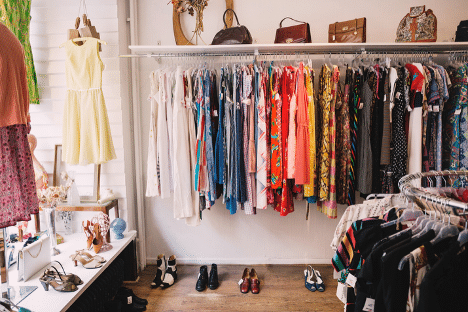
(photo credit: Microsoft Stock Images)
Every retail store has corners that customers rarely explore. These low-traffic areas often sit beyond the main aisle or near the back wall, collecting dust instead of revenue. Revitalizing them requires strategic layout adjustments, visual cues, and purposeful merchandising that guide shoppers deeper into the space.
Rethink Store Layout and Flow
Customer movement often follows predictable paths. Most shoppers turn right upon entering and circulate along visible aisles. Low-traffic areas usually fall outside that natural pattern. Adjusting shelving angles, widening pathways, or repositioning focal displays can redirect attention.
Creating sightlines that draw the eye toward underused sections helps shift behavior. Feature tables, bold floor decals, or contrasting color palettes can serve as visual anchors that invite exploration. Even small adjustments to product placement can change how customers circulate.
Introduce Experience-Based Displays
Static shelves rarely inspire curiosity. Interactive displays, limited-time collections, or product demonstrations give customers a reason to move beyond familiar routes. Rotating merchandise regularly also prevents neglected areas from feeling stale.
Lighting plays a critical role. Strategic spotlights and LED signage solutions can highlight promotions or new arrivals in quieter sections. Bright, dynamic visuals naturally attract attention and encourage movement across the entire floor.
Align Inventory with Shopper Intent
Low-traffic zones sometimes fail because they house products that customers do not actively seek. Placing complementary items near popular categories can drive spillover traffic. For example, positioning accessories near a high-demand product line increases cross-selling opportunities and exposes shoppers to new sections.
Data from point-of-sale systems and in-store analytics can reveal patterns in movement and purchasing. Adjustments based on those insights often yield measurable improvements. Reviving underused retail space is less about adding more inventory and more about guiding behavior. Thoughtful layout changes, compelling displays, and strategic lighting transform overlooked corners into productive areas that contribute to overall store performance. Look over the infographic below to learn more.

About the Author



Recent Comments