
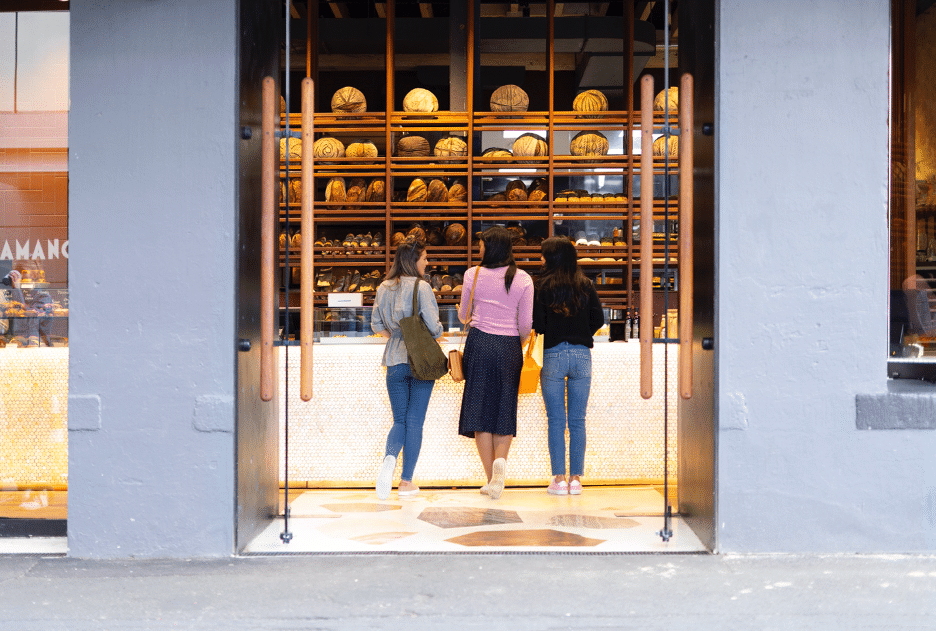
(photo credit: Microsoft Stock Images)
Retail success often begins before a customer enters the store. The design of a retail space influences visibility, first impressions, customer movement, and overall engagement. Businesses that thoughtfully plan their physical environment can attract more visitors and encourage longer visits.
Create a Strong Street Presence
The storefront serves as the first point of contact with potential customers. Clear signage, attractive window displays, and a well-maintained exterior help communicate professionalism. Store entrances should be easy to identify and accessible from the street. Seasonal displays and regularly updated merchandising can also encourage repeat visits from local shoppers.
Design an Inviting Entry Experience
The first few feet inside a store often influence whether customers continue exploring. Open entrances, adequate lighting, and uncluttered layouts help visitors feel comfortable upon arrival. Retailers should avoid placing large displays or obstacles directly inside the doorway. A welcoming transition space allows customers to adjust to the environment and begin browsing naturally.
Guide Customer Movement
Store layouts should support easy navigation. Wide aisles, logical product placement, and clear sightlines help customers move comfortably throughout the space. Popular products are often positioned strategically to encourage exploration of additional merchandise. Well-planned pathways can increase exposure to products while reducing frustration.
Use Lighting and Displays Effectively
Lighting affects both visibility and atmosphere. Bright, even lighting helps customers evaluate products, while accent lighting can draw attention to featured merchandise. Displays should be organized, easy to understand, and visually appealing. Grouping related products together can simplify shopping decisions and create a more cohesive experience.
Match Design to Business Needs
The building itself can influence retail performance. Flexible layouts allow businesses to adapt as inventory, customer preferences, and merchandising strategies change. For specialty retailers that require large, open interiors, structures such as metal equestrian buildings may offer adaptable floor plans that support retail displays, inventory storage, and customer events.
Retail space design affects how customers perceive a business and interact with products. Businesses that invest in functional, customer-focused design are often better positioned to increase foot traffic and support long-term growth. Look over the infographic below to learn more.

About the Author


Recent Comments